Change Initiatives Fail When Personality Is Ignored

Most change initiatives do not fall apart because the strategy was wrong. They fail because leaders overlook what people need to successfully adapt.
The moment that change is announced, four distinct psychological needs emerge. Missing even one causes resistance to grow quietly. It might look like hesitation, many questions, side conversations, or polite agreement without follow-through.
In the DISC model, represented by the 🦅 Eagle, 🦜 Parrot, 🕊 Dove, and 🦉 Owl styles, these four needs clearly align with the styles. To make change stick, you need to address all four.
🦅 Eagles Need Bold Vision
Eagles lose interest when change feels small, cautious, or uncertain. They favor decisive action and thrive on progress. They want to understand where this is headed and why it matters. If the message focuses on maintenance rather than momentum, they may disengage or pursue their own agenda.
Tip for Managing Eagles during times of change:
- Create a compelling vision of the future.
- Highlight measurable results.
- Show how the change boosts efficiency, productivity, and outcomes.
🦜 Parrots Need Buy-In
Parrots want to feel part of the story. When change is presented as fully formed with no room for input, it feels restrictive. They crave energy, possibility, and momentum. If the rollout is heavy on details and light on inspiration, it loses impact. Parrots amplify what excites them. They disengage from what feels dull.
Tip for Managing Parrots during times of change:
- Invite input early.
- Encourage feedback and dialogue.
- Let Parrots help communicate the change.
🕊 Doves Need Reassurance
Doves are sensitive to change on a nervous system level. They naturally sense how it will influence relationships and stability. Even positive change can feel like a loss. When leaders emphasize speed and results without considering human impact, Doves become anxious. They worry about morale, fairness, and unintended effects.
Tip for Managing Doves during times of change:
- Name concerns without dismissing them.
- Emphasize support, stability, and care during transition.
- Reassurance builds trust and calms the emotional climate.
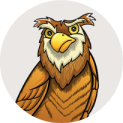
🦉 Owls Need Clarity
Owls do not resist change. They resist uncertainty. When leaders announce a change without explaining the rationale, process, and the why, Owls become uneasy. They ask detailed questions and want data. They may seem skeptical, but they are actually trying to reduce risk. Unanswered questions create stress.
Tip for Managing Owls during times of change:
- Share timelines and decision criteria.
- Define what will change and what will stay the same.
- Offer concrete information so Owls can analyze, understand, and support rather than question from the sidelines.
Intentionally Drive Change
Change often fails because leaders communicate in their own style and assume others interpret it the same way. They don’t.
Effective change communication draws on all four styles: a bold vision for Eagles, energy for Parrots, steady reassurance for Doves, and logical clarity for Owls.
When people receive messages in ways that match their wiring, resistance drops, and commitment grows.
At Take Flight Learning, we teach leaders how to lead change through personality intelligence in our Innovating IDEAs training program. When you understand how different styles respond to change, you stop managing resistance and start creating alignment.
About the Author
Merrick Rosenberg is the author of Personality Intelligence: Master the Art of Being You, The Chameleon, and many other books for adults, students, and kids. He is the creator of the Eagle, Parrot, Dove, and Owl personality approach. As an award-winning speaker and President of Take Flight Learning, Merrick teaches people how to understand themselves and others through the lens of personality, because when you know your style, you unlock your path.