Bias in the Hiring Process: How Personality Styles Shape Interview Decisions

When we conduct interviews, we often believe we are being objective. We assume we are assessing skills, experience, and cultural fit. What we are usually really evaluating is comfort—and comfort has a personality.
At Take Flight Learning, we apply the DISC model through the lens of the Eagle, Parrot, Dove, and Owl styles. One of the most powerful uses of personality styles is during the hiring process. Whether we realize it or not, our style influences what we notice, what we value, and who we feel is a good fit.
The meta-bias in hiring is that we tend to hire people who are like ourselves. Across all four styles, there’s a common pattern to be drawn to candidates who think, speak, and act like us. This is called similarity bias.
When someone mirrors our communication pace, problem-solving approach, or emotional tone, our nervous system relaxes, familiar feels safe, and safe feels smart and hirable!
As a result, we start overlooking gaps, assuming potential, and downplaying risks. Not because we are careless, but because we are human.
If you want to make better hiring decisions, you must first understand how your personality style influences what you perceive as competence. Here’s how bias might show up across the four styles:
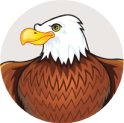
Eagle Hiring Bias: Confidence Means Competence
Eagles are goal-oriented, decisive, and results-driven. In interviews, Eagles tend to favor candidates who:
- Speak confidently and answer quickly
- Share stories of success and achievement
- Show authority and decisiveness
- A firm handshake and a confident tone can be very effective with an Eagle interviewer. The challenge is that quiet candidates who take time to think may be seen as hesitant, and deliberate communicators may appear unsure. The Eagle might miss soft-spoken, thoughtful candidates because their style isn’t as bold.
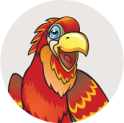
Parrot Hiring Bias: Energy Equals Capability
Parrots value enthusiasm, vision, and social skills. Parrots are attracted to candidates who:
- Tell engaging stories
- Think quickly and speak energetically
- Share optimistic, big ideas about the future
- If a candidate makes them laugh or sparks excitement, the interview feels successful. The risk is that we might overlook depth. A steady, reserved candidate with strong discipline could seem less impressive just because they’re not as entertaining. Parrots can unknowingly favor charisma over consistency.
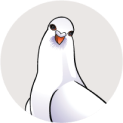
Dove Hiring Bias: Comfort Equals Fit
Doves seek harmony, connection, and emotional safety. They prefer candidates who:
- Seem kind and cooperative
- Speak gently and establish personal rapport
- Show appreciation and respect
If the conversation feels warm and flows easily, the candidate gains points. But the challenge is that direct challengers might seem abrasive, and strong pushback could be seen as a threat rather than a healthy debate. Doves might unintentionally screen out candidates who bring the necessary edge or healthy tension.
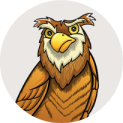
Owl Hiring Bias: Credentials Equal Readiness
Owls look for logic, structure, and evidence. They favor candidates who:
- Provide clear, detailed explanations
- Show measurable results
- Refer to credentials and certifications
Structured answers and organized examples score highly. However, big-picture thinkers and intuitive problem-solvers might find it hard to explain how they know what they know. Their insights might be dismissed as vague. Owls could undervalue talent that operates fluidly outside strict frameworks.
Interviewers Need to Understand Their Biases
To build a high-performing team, you need more than comfort with a candidate. You need a mix of complementary strengths. When leaders understand their own style, they slow down automatic judgments. They distinguish between ‘I like them” and ‘they are right for the role,’ and differentiate between personality fit and role fit. That shift makes a huge difference.
To minimize personality bias, you can’t ignore it, you have to name it. Start by:
Identifying your dominant style
Clarifying the critical competencies for the role before interviewing
Involving interviewers with different styles
Asking structured, behavior-based questions
Understanding how your style influences your quick judgments restores control. Effective hiring isn’t about finding someone who “feels right.” It’s about finding someone who fits the role and enhances the team. This requires personality intelligence.
The strongest teams are not built on comfort—they are built on awareness.
If you want to incorporate the Eagle, Parrot, Dove, and Owl framework into your hiring process, explore our Taking Flight with DISC programs or contact us to create a hiring system that reduces bias and enhances clarity.
About the Author
Merrick Rosenberg is the author of Personality Intelligence: Master the Art of Being You, The Chameleon, and many other books for adults, students, and kids. He is the creator of the Eagle, Parrot, Dove, and Owl personality approach. As an award-winning speaker and President of Take Flight Learning, Merrick teaches people how to understand themselves and others through the lens of personality, because when you know your style, you unlock your path.